Celebrating World Space Week
Before most of us leave the house in the morning, we have already benefited from space technology. We check the weather forecast, use navigation to plan our route, or make a call to someone on the other side of the world. At the same time, space missions help answer some of humanity's biggest questions. For decades, Heraeus has contributed to both—developing materials and technologies that support everyday life and enable scientific discovery far beyond Earth.
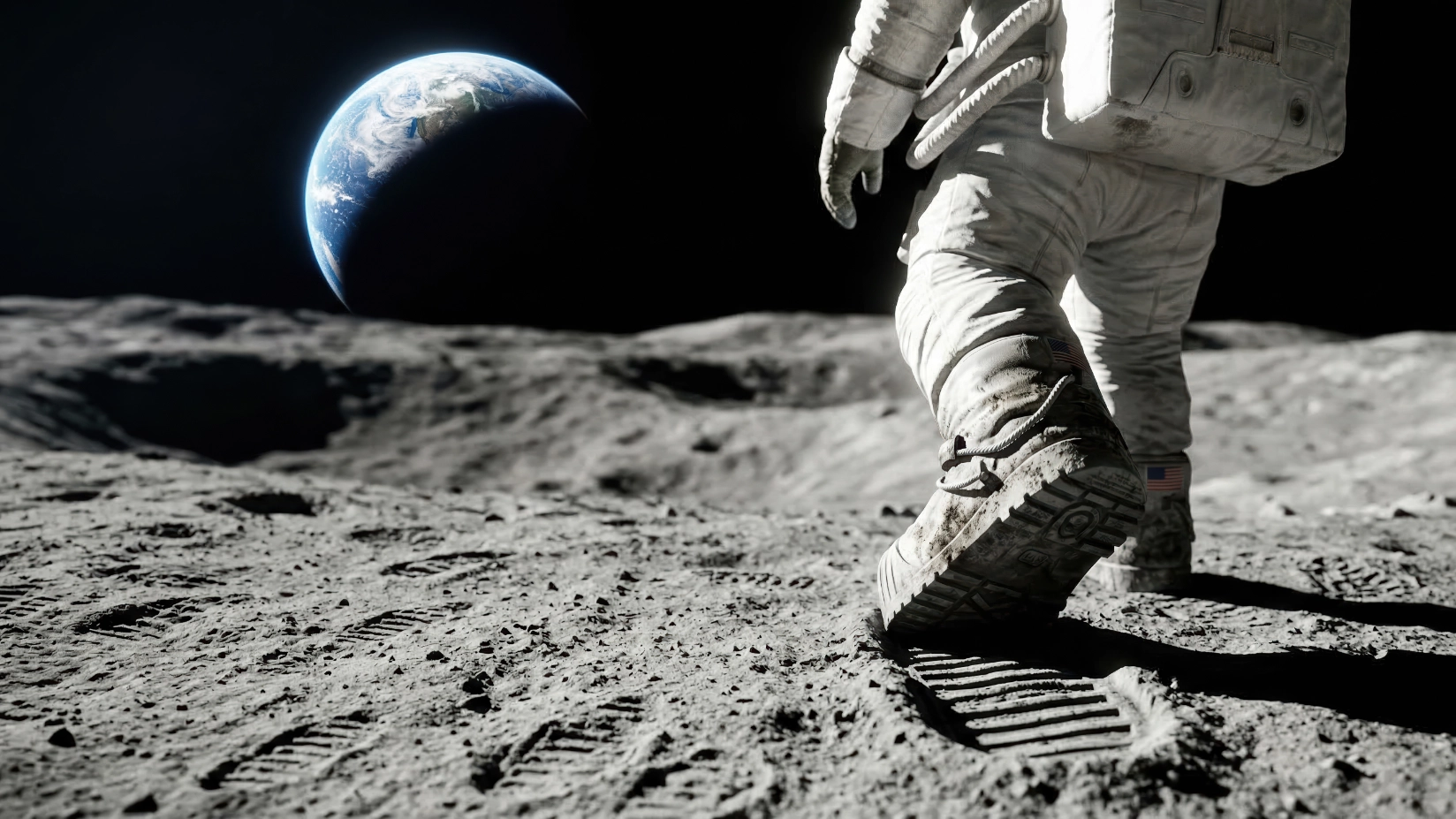
When we think about space, spectacular rocket launches and distant galaxies often come to mind. Yet many of the technologies developed for space have become part of our daily lives. From navigation systems and communications networks to weather forecasting and environmental monitoring, satellites provide services that modern society depends on.
But space exploration is also driven by curiosity. It helps us better understand how the universe works, where we come from, and what lies beyond our current knowledge. Throughout this journey, advanced materials have played a crucial role.
At Heraeus, we have been contributing to space exploration for more than half a century. From the Apollo missions to future observatories designed to detect gravitational waves, our materials help make exploration, discovery, and innovation possible.
In celebration of World Space Week, we highlight four examples of how Heraeus innovations support life on Earth and humanity's quest to understand the cosmos.
A Legacy That Still Reflects from the Moon
More than 50 years ago, humanity achieved one of its greatest milestones when astronauts landed on the Moon. What many people don't know is that a small piece of Apollo is still helping scientists today.
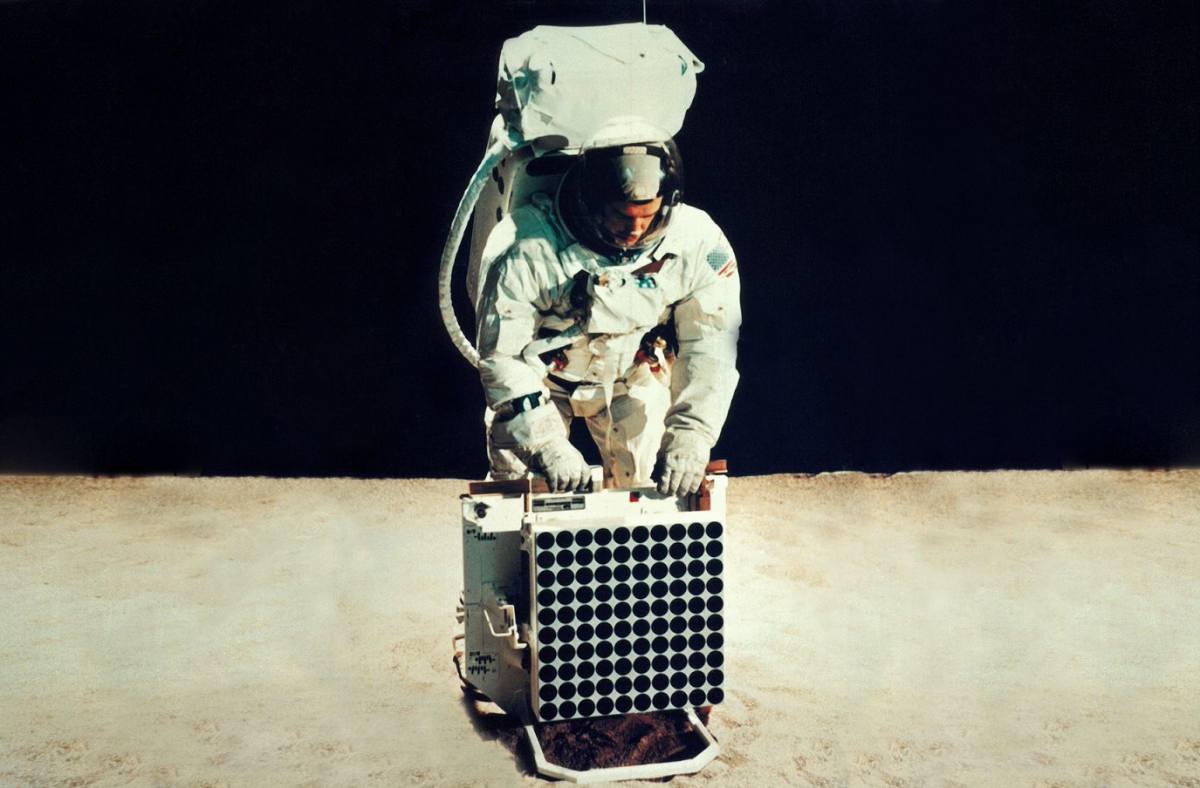
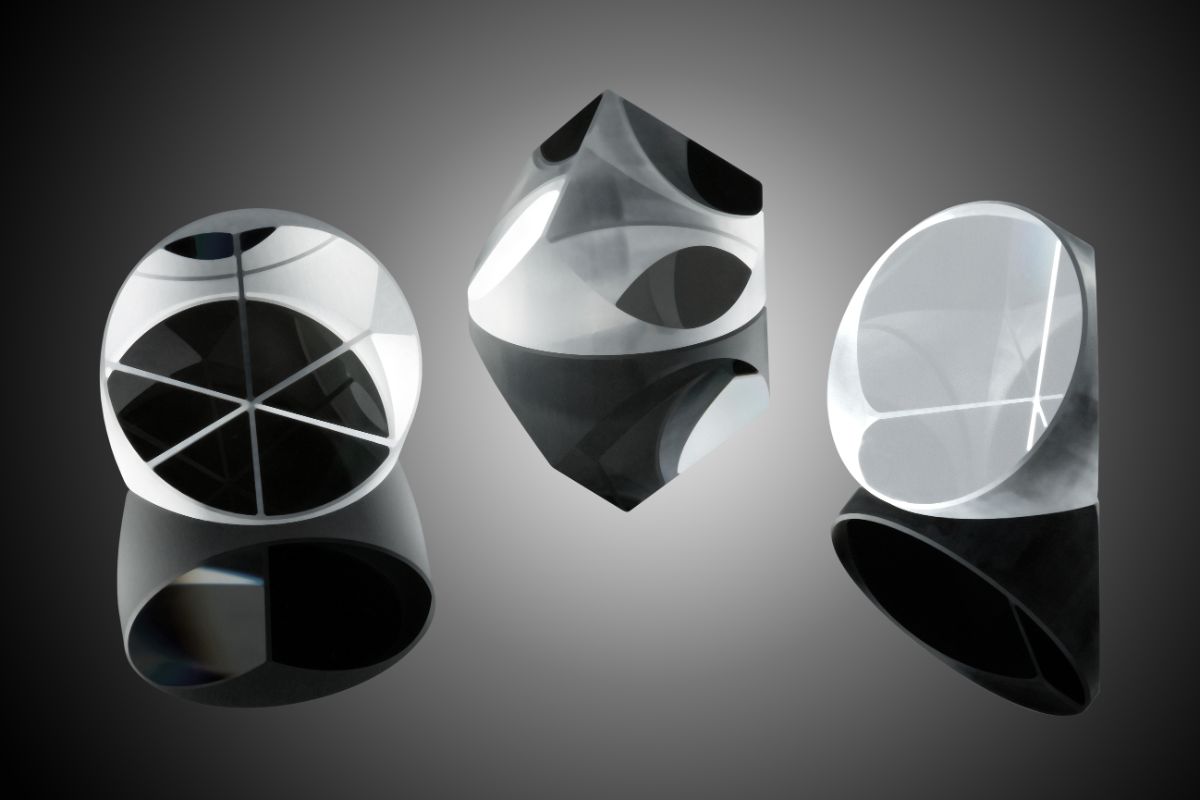
During the Apollo missions, reflector arrays containing ultra-pure fused silica from Heraeus were placed on the lunar surface. Their purpose was to reflect laser beams sent from Earth back to scientists. More than five decades later, researchers continue to use these reflectors to measure the distance between Earth and the Moon with extraordinary precision.
The experiment has contributed to our understanding of the Earth-Moon system and provided valuable data for testing fundamental theories of physics. It is a remarkable example of how a material developed on Earth can continue supporting scientific discovery long after a mission has ended.
Keeping Modern Life in Orbit
Most of us benefit from space technology before we even leave the house. We check the weather forecast, use navigation to avoid traffic, join video calls, or follow news from around the world. Behind many of these everyday activities are satellites orbiting hundreds of kilometers above Earth.
To keep delivering these services, satellites must maintain their position in space and perform regular course corrections throughout their lifetime. This requires highly reliable propulsion systems that can operate under extreme conditions for many years.
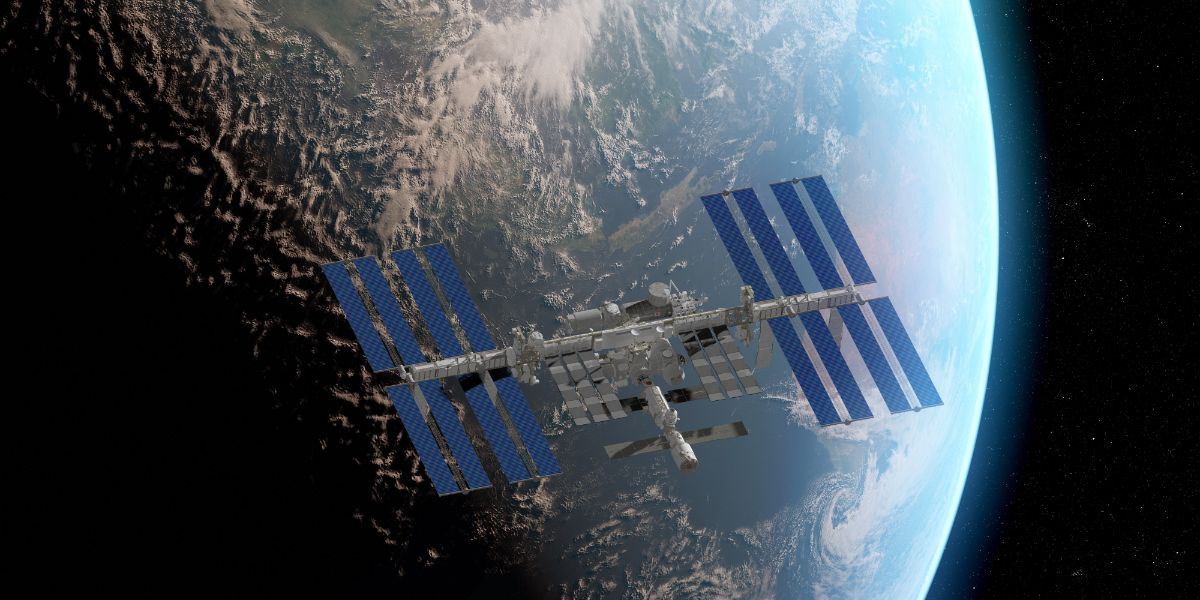
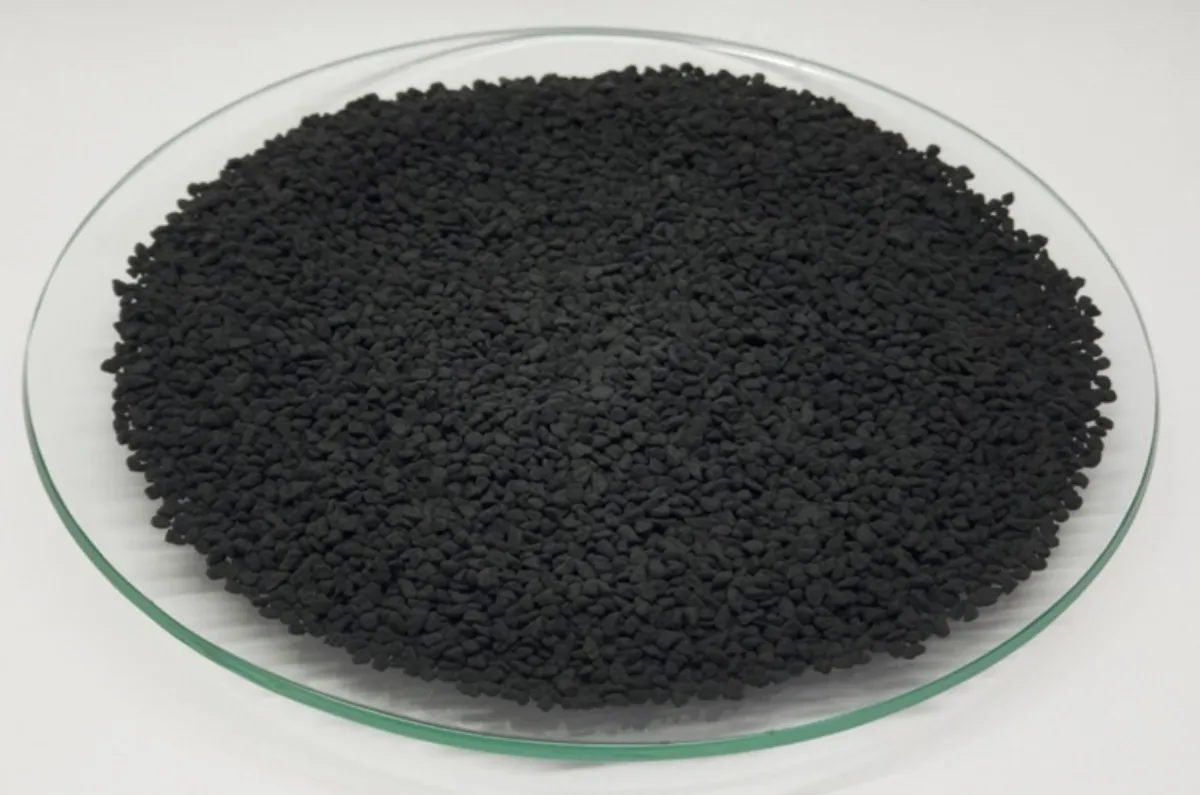
Heraeus Precious Metals contributes to these systems with specialized catalysts used in satellite and spacecraft propulsion. By helping convert chemical energy into thrust efficiently and reliably, these catalysts enable satellites to perform critical maneuvers and continue operating as intended.
What makes this particularly challenging is that satellites often operate in space for 10 to 15 years without maintenance or repair. Components must withstand radiation, extreme temperature fluctuations, and years of continuous operation. Once a satellite is launched, there is no opportunity to replace a part that fails.
Building a New Window into the Universe
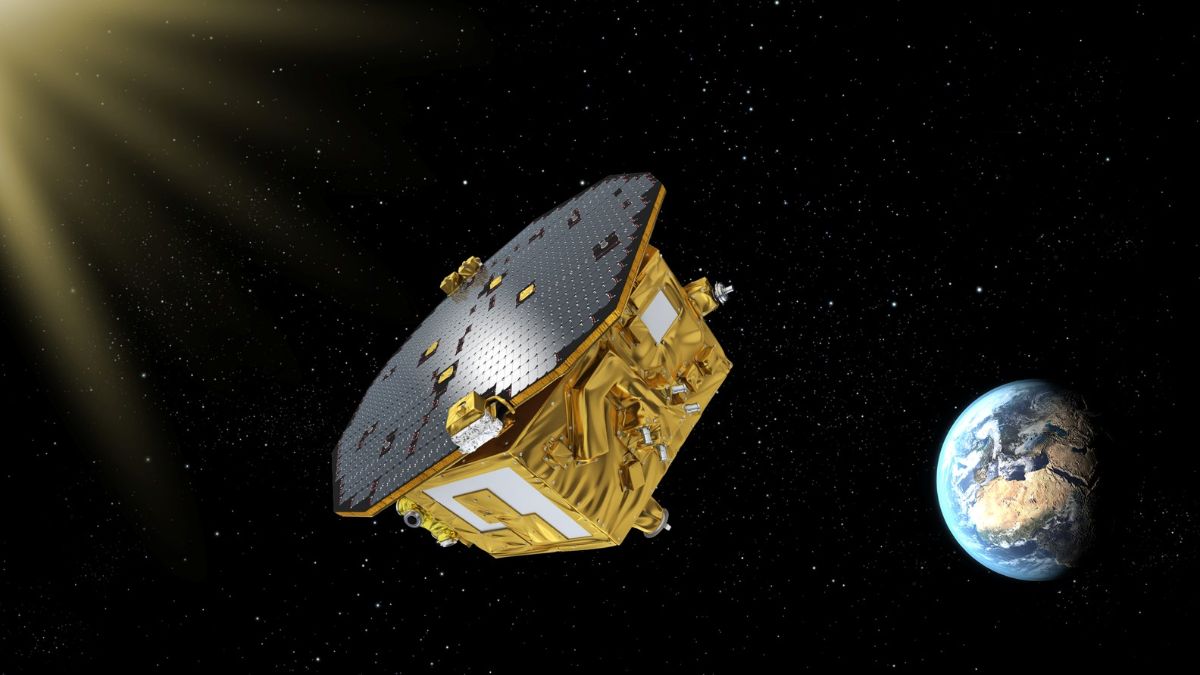
For centuries, humanity has explored the universe through light. The European Space Agency's LISA (Laser Interferometer Space Antenna) mission aims to add an entirely new way of observing the cosmos by detecting gravitational waves from space.
These tiny ripples in space-time were predicted by Albert Einstein more than a century ago and are generated by some of the most dramatic events in the universe, including the Big Bang or colliding black holes. Detecting them requires extraordinary precision. Three spacecraft will fly millions of kilometers apart while measuring distance changes smaller than the diameter of an atom.
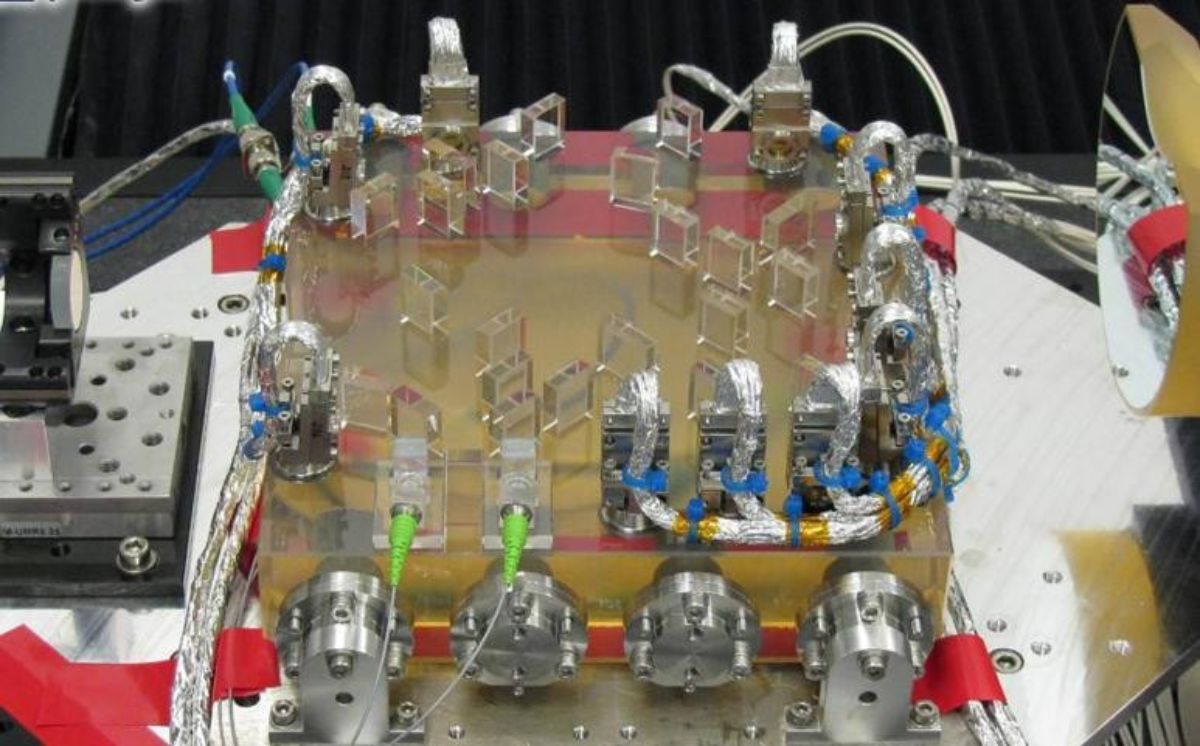
To make this possible, LISA depends on highly stable optical systems. Heraeus Covantics contributes advanced fused silica solutions that help meet these demanding requirements. The mission has the potential to enable scientists to observe cosmic events in an entirely new way and deepen our understanding of how the universe evolved.
Golden Cubes and the Search for Answers
Some space missions are designed to explore distant planets. Others aim to answer questions about the very fabric of the universe.
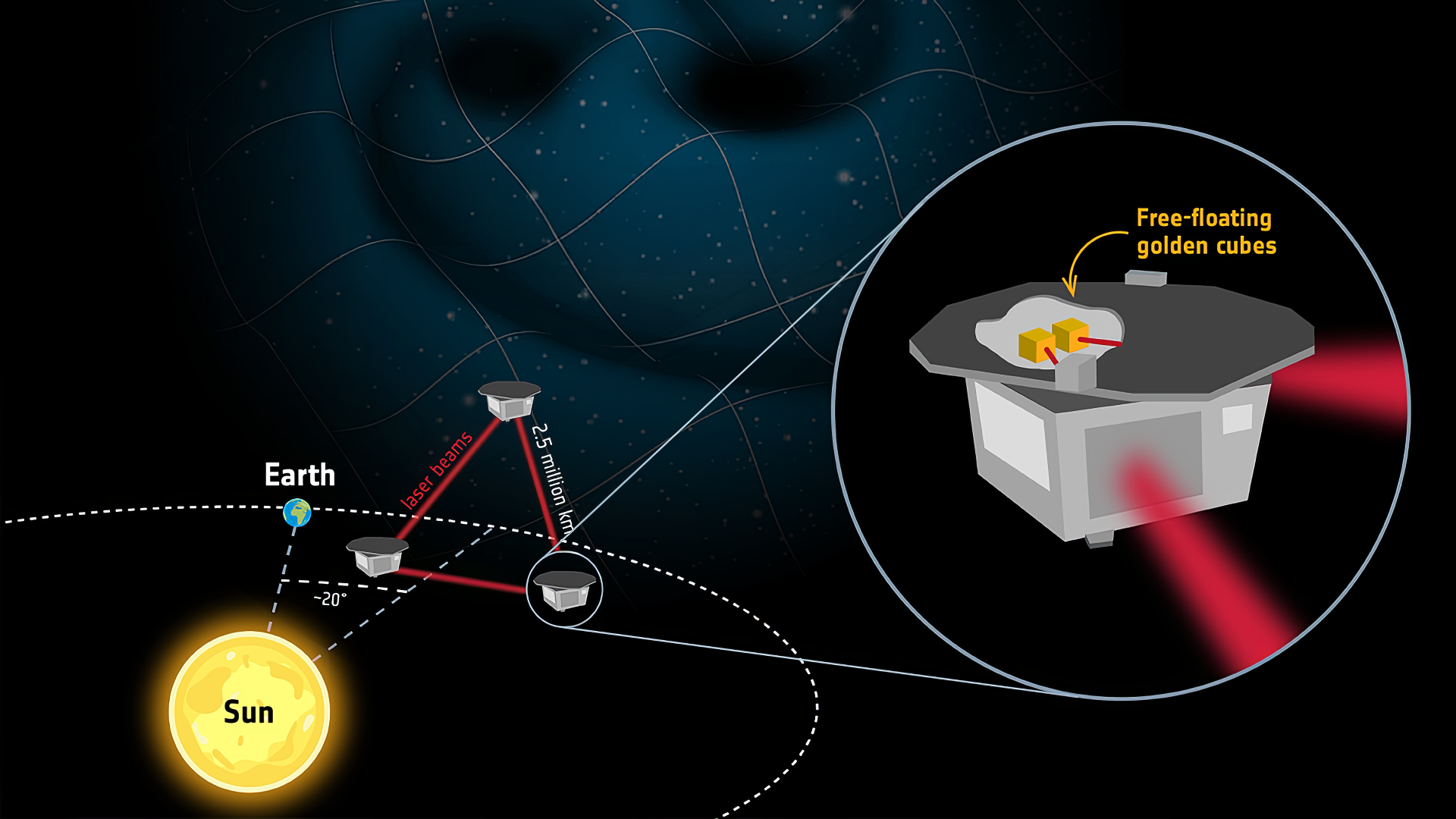
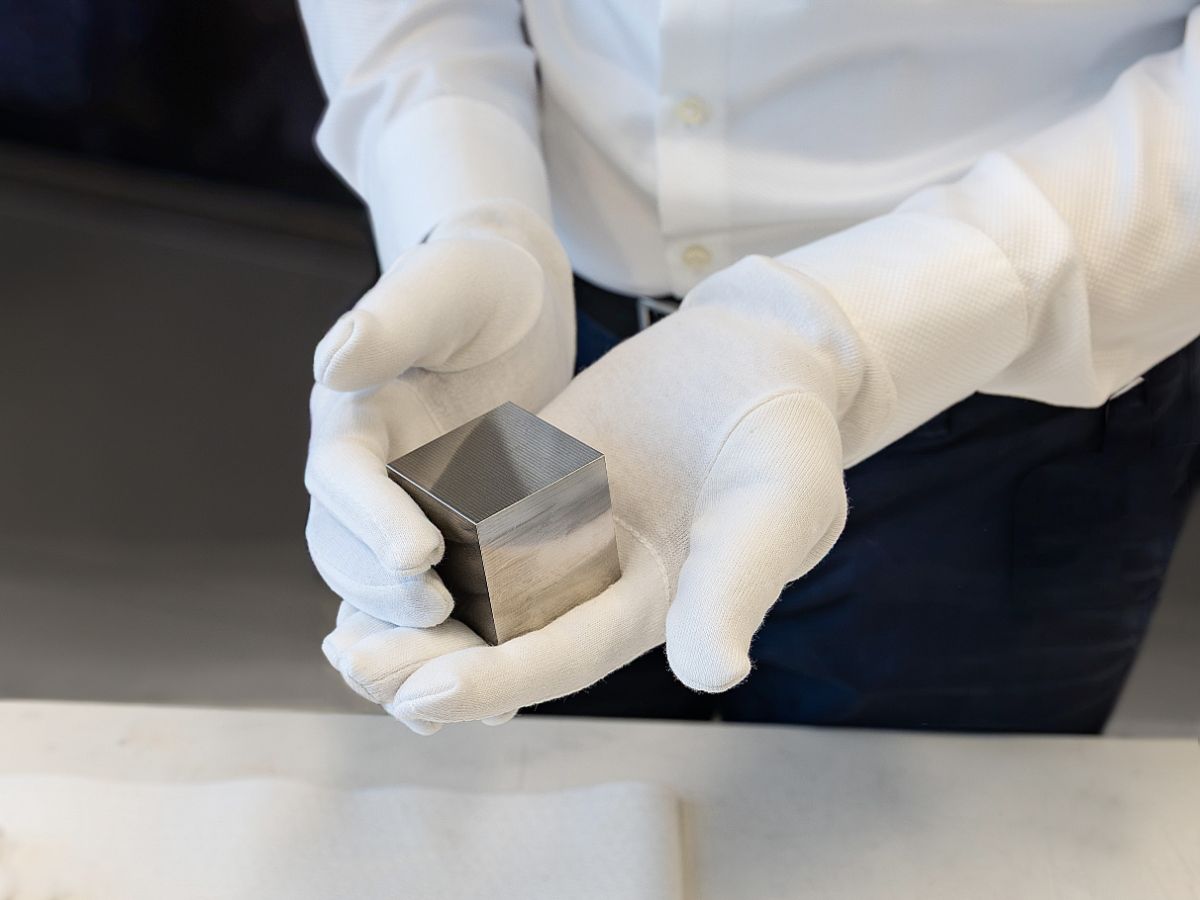
At the heart of the LISA mission are six specialized gold-platinum test masses—known as the “golden cubes”—that will serve as the mission’s scientific reference points. Heraeus Precious Metals is manufacturing all six cubes, as well as two spare units, which are scheduled for delivery in 2027.
The cubes will float in near-perfect free fall inside the spacecraft, shielded from external influences and affected only by gravity itself. Their movements will help scientists detect gravitational waves and study some of the most powerful events in the universe, including colliding black holes and merging neutron stars or the Big Bang.
By capturing these signals, LISA will provide new insights into how galaxies evolve, how black holes grow, and how the universe has changed over billions of years.
To make these measurements possible, the cubes must remain almost completely unaffected by their surroundings. This requires a specially engineered gold-platinum alloy produced to an extraordinary level of purity and precision. Every cube must have a perfectly homogeneous structure, an extremely precise shape, and be free of even the smallest imperfections. Although they are known as the "golden cubes", their gold appearance comes from a reflective coating that will be applied in a later stage—the alloy itself was chosen for its unique physical properties, not its colour.
LISA aims to detect movements smaller than the width of an atom, demanding exceptional precision in both materials and manufacturing.
From reflector arrays that continue to support lunar research more than 50 years after Apollo to technologies that help keep satellites in orbit and materials enabling future discoveries about the universe, Heraeus contributions to space exploration span generations.
Some of these innovations help make everyday life safer, more connected, and more efficient. Others expand the boundaries of human knowledge. Together, they show that practical progress and scientific discovery are not separate pursuits—they are part of the same journey.
As we celebrate World Space Week, we are proud that Heraeus materials and technologies continue to help shape that journey, both here on Earth and far beyond it.